When most travelers think of Brazil’s natural wonders, the Amazon Rainforest often comes to mind first. However, for wildlife enthusiasts seeking exceptional animal encounters, the Pantanal is widely regarded as one of the best safari destinations in the world. Covering approximately 195,000 square kilometers across western Brazil, the Pantanal is the world’s largest tropical wetland and offers unmatched opportunities to observe wildlife in their natural habitat.
Unlike dense rainforests where animals can remain hidden among thick vegetation, the Pantanal’s open landscapes make wildlife viewing significantly easier. From majestic jaguars and giant river otters to colorful birds and countless aquatic species, the Pantanal provides a truly unforgettable safari experience for nature lovers, photographers, and adventure seekers.
What Makes the Pantanal Unique?
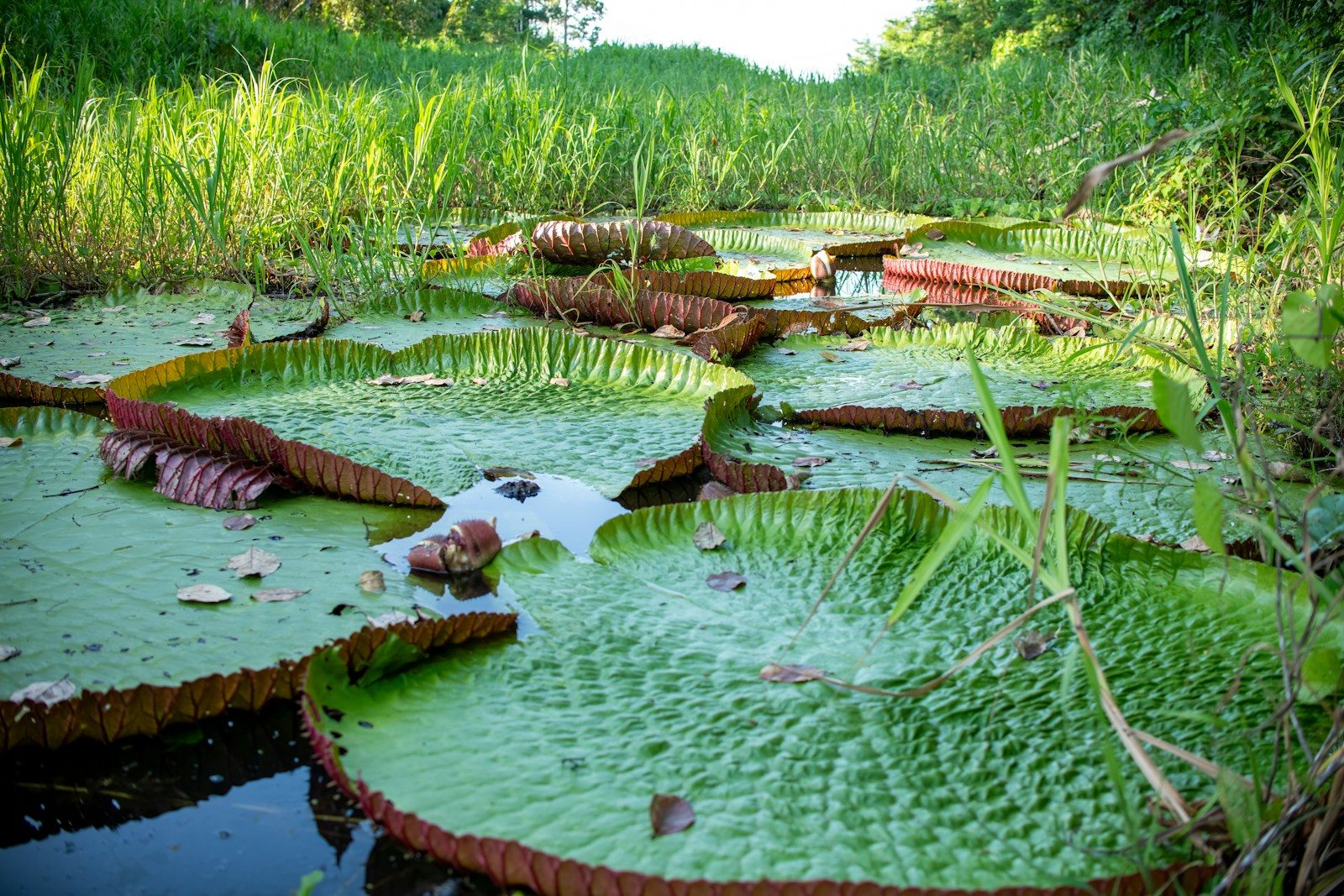
The Pantanal is a vast seasonal floodplain that transforms dramatically throughout the year. During the rainy season, large portions of the region become flooded, creating a rich ecosystem of rivers, lagoons, marshes, and grasslands. As waters recede during the dry season, animals gather around remaining water sources, making wildlife spotting exceptionally rewarding.
The region supports one of the highest concentrations of wildlife in South America. Its unique combination of wetlands, forests, savannas, and waterways creates ideal conditions for an incredible variety of species to thrive.
For travelers who dream of experiencing a true wildlife safari without traveling to Africa, the Pantanal offers an equally remarkable alternative with its own distinctive ecosystems and species.
The Jaguar Capital of the World
One of the Pantanal’s biggest attractions is its reputation as one of the best places on Earth to observe jaguars in the wild.
The jaguar, the largest cat in the Americas, has long fascinated wildlife enthusiasts. In many regions, spotting a jaguar is extremely rare due to dense vegetation and low population density. However, the Pantanal offers some of the highest chances of successful jaguar sightings anywhere in the world.
Boat safaris along the Cuiabá River, Three Brothers River, and surrounding waterways frequently provide opportunities to observe jaguars resting, hunting, swimming, or moving along riverbanks.
For wildlife photographers, the Pantanal has become a dream destination where close encounters with these magnificent predators are often possible.
Incredible Wildlife Diversity
While jaguars receive much of the attention, the Pantanal is home to an astonishing variety of animals.
Visitors may encounter:
- Giant anteaters
- Capybaras
- Giant river otters
- Marsh deer
- Tapirs
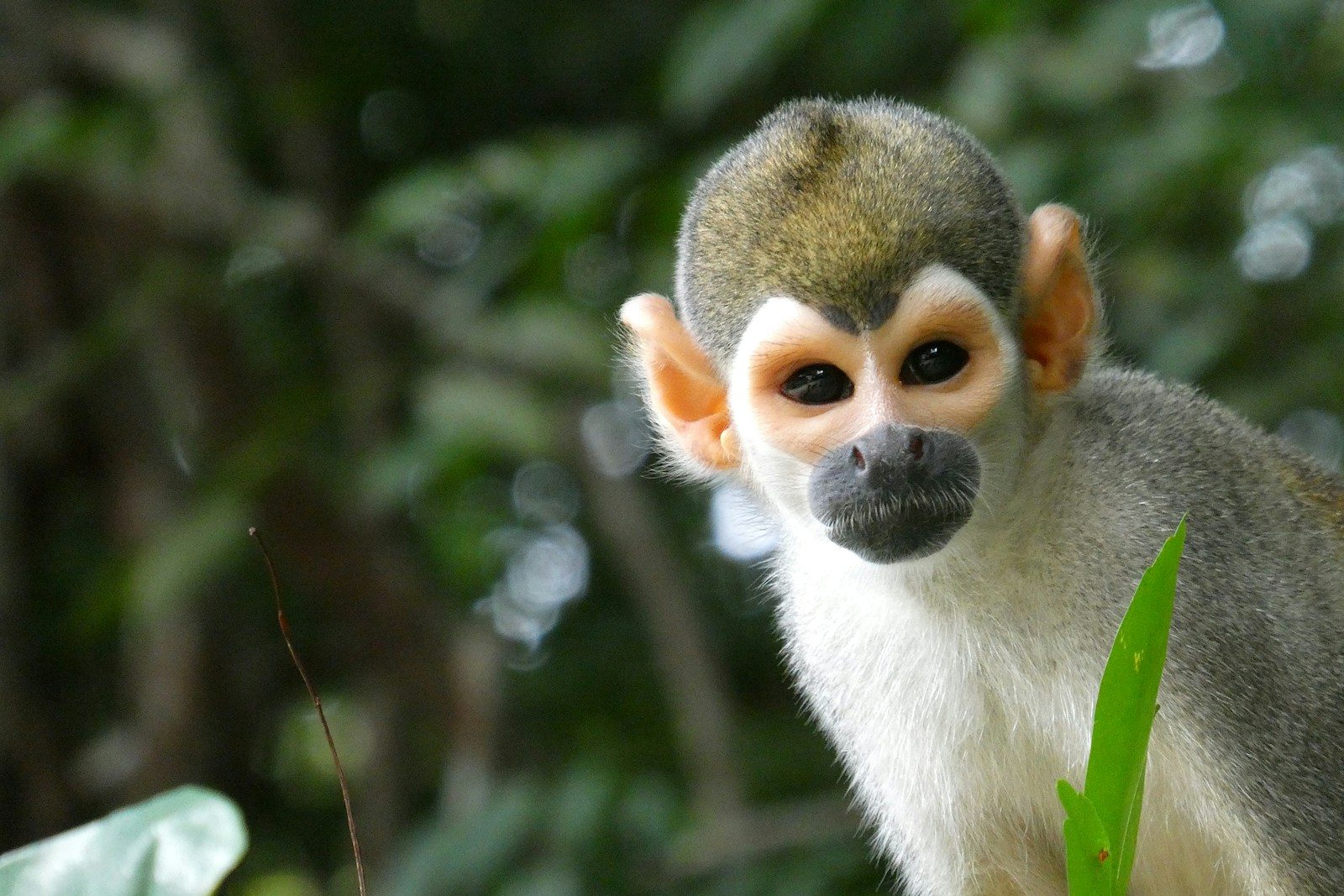
- Howler monkeys
- Black howler monkeys
- Caimans
- Anacondas
- Toucans
- Hyacinth macaws
- Jabiru storks
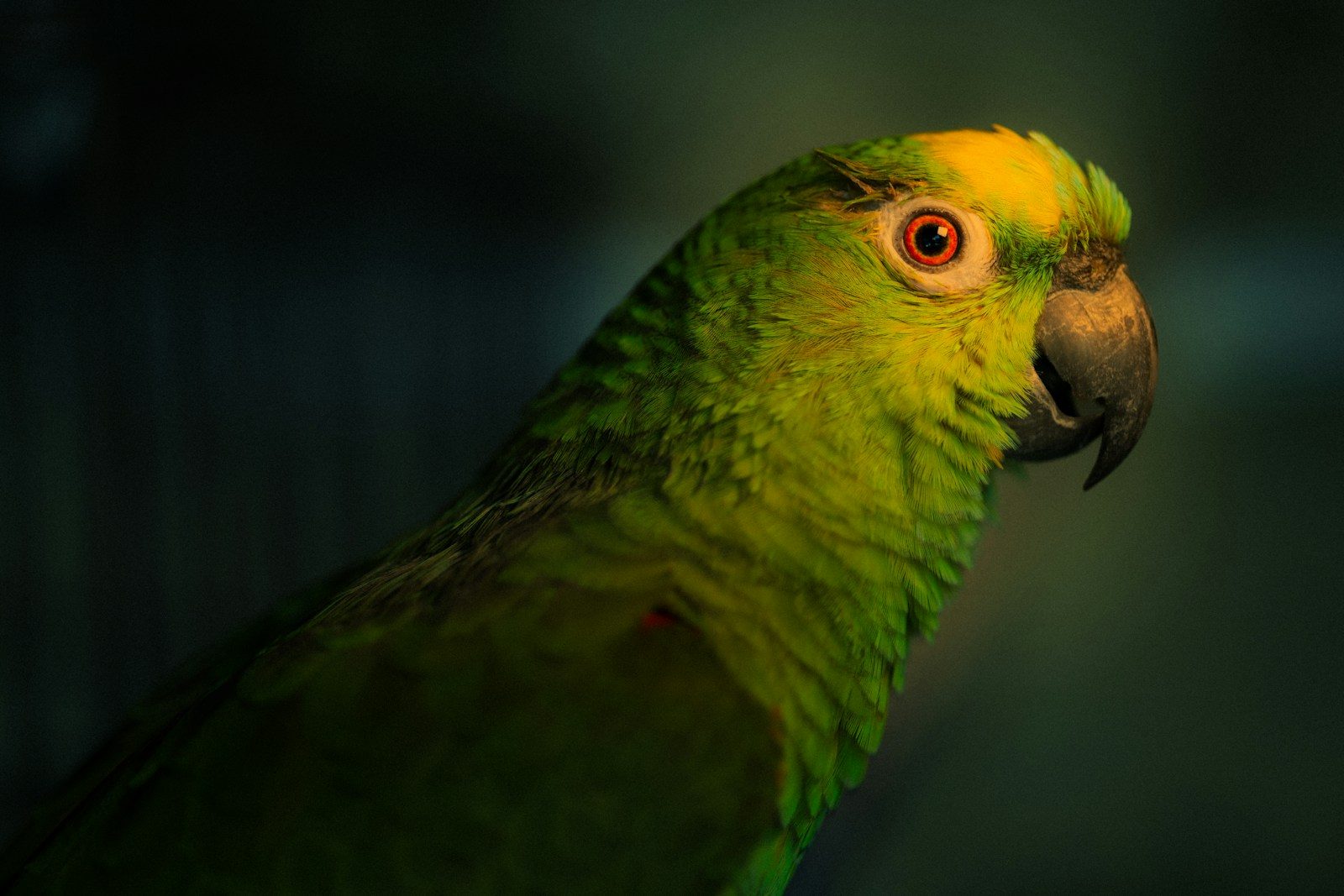
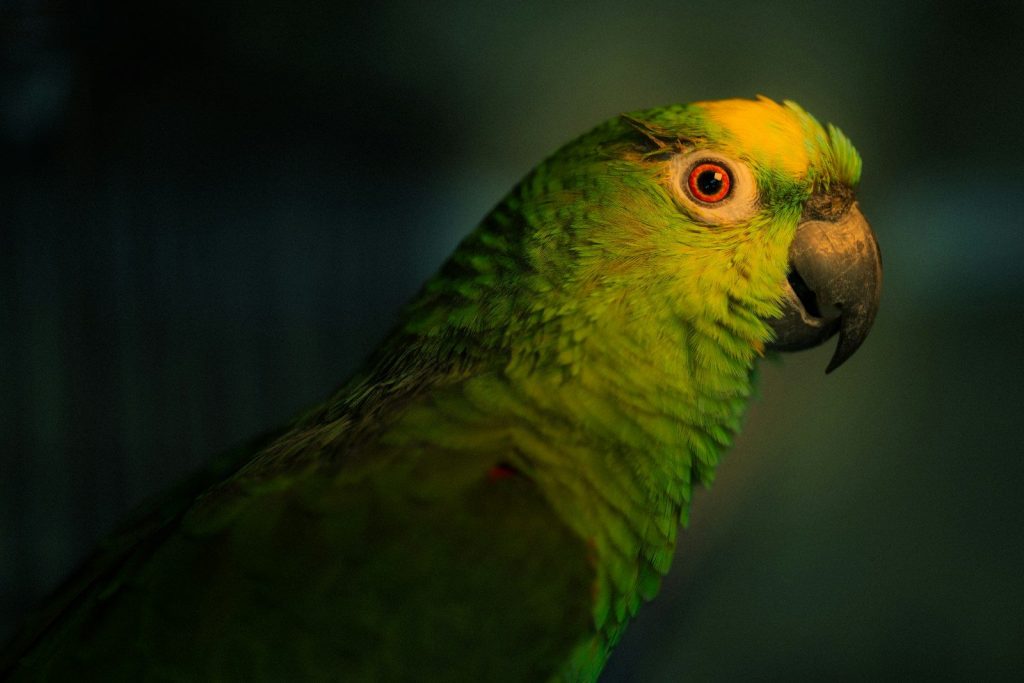
The Pantanal supports over 650 bird species, making it one of the world’s premier birdwatching destinations. Brightly colored macaws, parrots, herons, kingfishers, and raptors are commonly seen throughout the region.
One particularly memorable sight is the Hyacinth Macaw, the largest flying parrot in the world, whose vibrant blue feathers create stunning photographic opportunities.
Safari Experiences in the Pantanal
Wildlife safaris in the Pantanal differ from traditional game drives found elsewhere. Visitors can enjoy a variety of exciting ways to explore the landscape.
Boat Safaris
Boat excursions are among the most popular activities. Navigating rivers and wetlands allows visitors to observe wildlife from a safe distance while accessing areas unreachable by road.
Many of the region’s most famous jaguar sightings occur during these river expeditions.
Guided Nature Walks
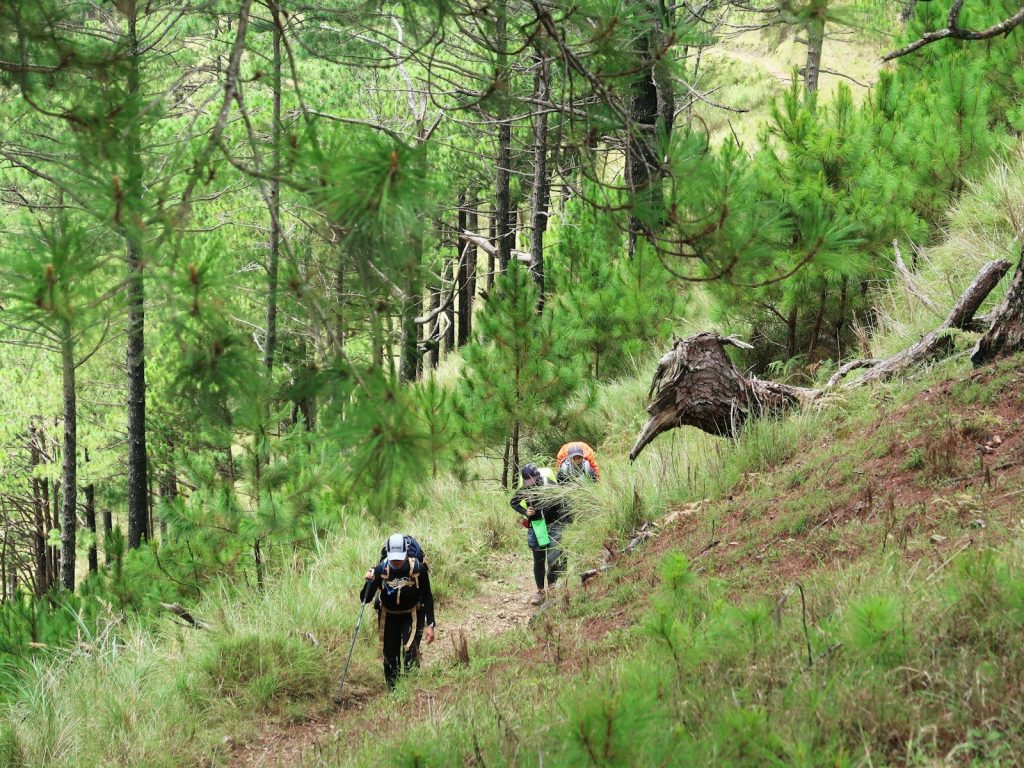
Walking safaris provide opportunities to learn about animal tracks, local plants, insects, and ecological relationships that shape the Pantanal ecosystem.
Experienced guides help visitors discover hidden details often overlooked from vehicles or boats.
Horseback Riding
Horseback riding has been a traditional way of life in the Pantanal for generations. Riding through wetlands and grasslands offers a unique perspective while allowing access to remote areas rich in wildlife.
Canoe Adventures
Quiet canoe trips are perfect for observing birds, reptiles, and aquatic animals without disturbing their natural behavior.
Birdwatching Paradise
Bird enthusiasts from around the world travel to the Pantanal specifically for its incredible birdlife.
Some notable species include:
- Hyacinth Macaw
- Toco Toucan
- Jabiru Stork
- Scarlet Macaw
- Kingfishers
- Herons
- Hawks
- Eagles
The open landscapes and abundant waterways create ideal viewing conditions for both casual birdwatchers and professional photographers.
Whether you’re carrying binoculars or a camera, the opportunities for bird observation are truly exceptional.
Staying at Wildlife Lodges
The Pantanal features numerous eco-lodges, ranches, and wildlife-focused accommodations that allow guests to immerse themselves in nature.
These lodges often provide:
- Guided safari tours
- Boat excursions
- Wildlife observation platforms
- Photography opportunities
- Local cuisine
- Educational programs
Many lodges are strategically located near wildlife hotspots, increasing the chances of memorable animal encounters throughout your stay.
Guests often wake up to the sounds of birds and may spot capybaras, monkeys, or other animals directly from lodge grounds.
Best Time to Visit
Although the Pantanal can be visited year-round, the dry season generally provides the best wildlife viewing opportunities.
Dry Season (May to October)
- Easier wildlife spotting
- Lower water levels
- Increased animal concentration near rivers
- Ideal for photography
Wet Season (November to April)
- Lush green landscapes
- Migratory bird activity
- Beautiful scenery
- Unique aquatic ecosystems
Both seasons offer rewarding experiences, but wildlife-focused travelers often prefer the dry months for optimal safari conditions.
Conservation and Responsible Tourism
The Pantanal plays a critical role in preserving biodiversity and supporting countless species. Sustainable tourism helps fund conservation efforts while providing economic opportunities for local communities.
Visitors are encouraged to:
- Follow guide instructions
- Respect wildlife
- Avoid disturbing animals
- Support eco-friendly operators
- Practice responsible photography
By choosing responsible tourism providers, travelers contribute to the long-term protection of this remarkable ecosystem.
An Unforgettable Wildlife Journey
The Pantanal offers one of the most extraordinary wildlife experiences on the planet. From thrilling jaguar sightings and colorful birdlife to peaceful river journeys and breathtaking landscapes, every day brings new opportunities for discovery.
For travelers seeking authentic nature encounters, world-class wildlife photography, and unforgettable safari adventures, the Pantanal stands among Brazil’s greatest treasures. Whether it is your first safari or your tenth, the Pantanal promises memories that will last a lifetime and a deeper appreciation for one of the most biodiverse regions on Earth.